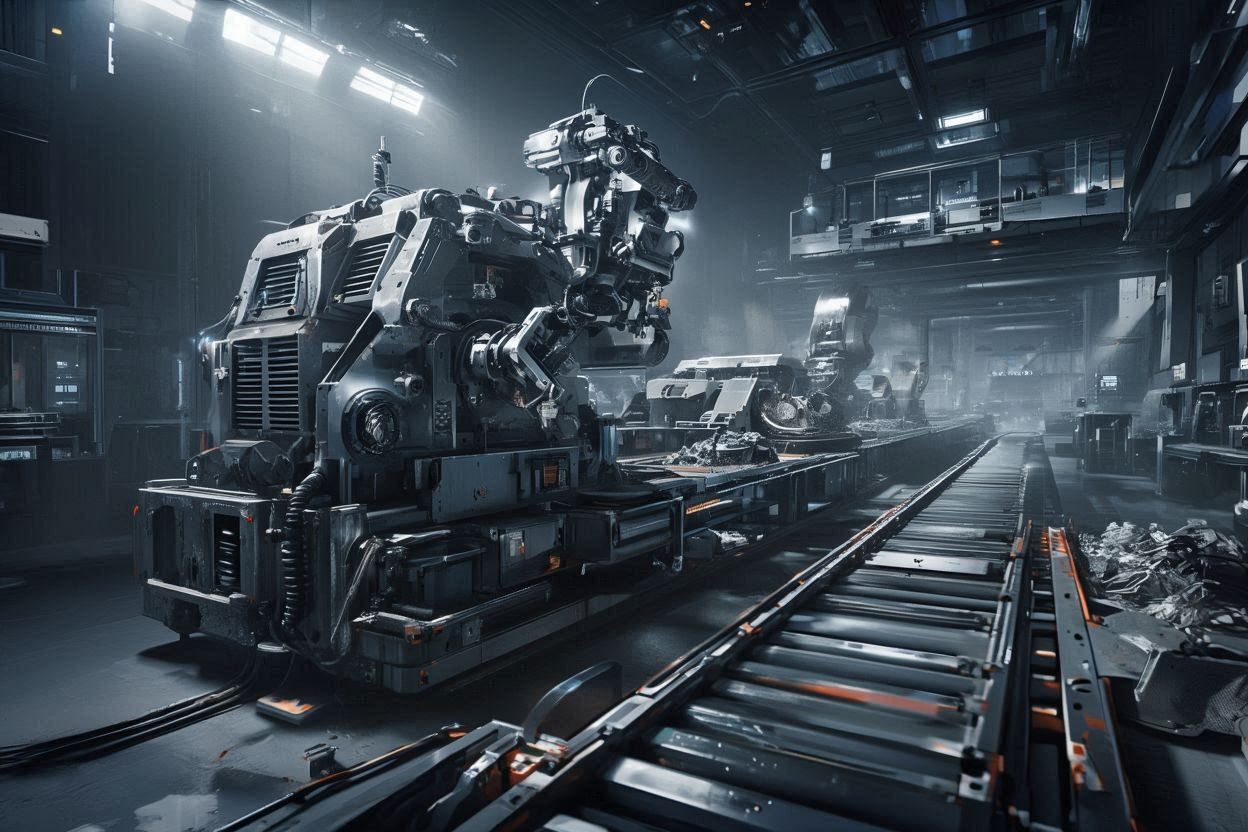
This update introduces the Scrap System, a new item‑processing pipeline that formalizes how unused equipment, salvaged components, and environmental debris are converted into usable resources. The system is now fully integrated into inventory management, shipyard operations, and crafting workflows.
NPC Specialists

Kade Rix
Scrap Runner
NPC specialists now contribute directly to the flow of salvage gameplay by assigning events based on their expertise, scan analysis, and situational awareness. Each NPC evaluates nearby anomalies, wreckage signatures, faction movements, and environmental hazards to surface missions that align with their professional background. A Scrap Runner may highlight high‑yield debris fields, while an Engineering‑focused technician might flag unstable tech caches or precision‑recovery sites. Their skills and personality influence the type, difficulty, and potential rewards of the events they generate, making crew selection a meaningful part of how players discover and prioritize salvage opportunities.
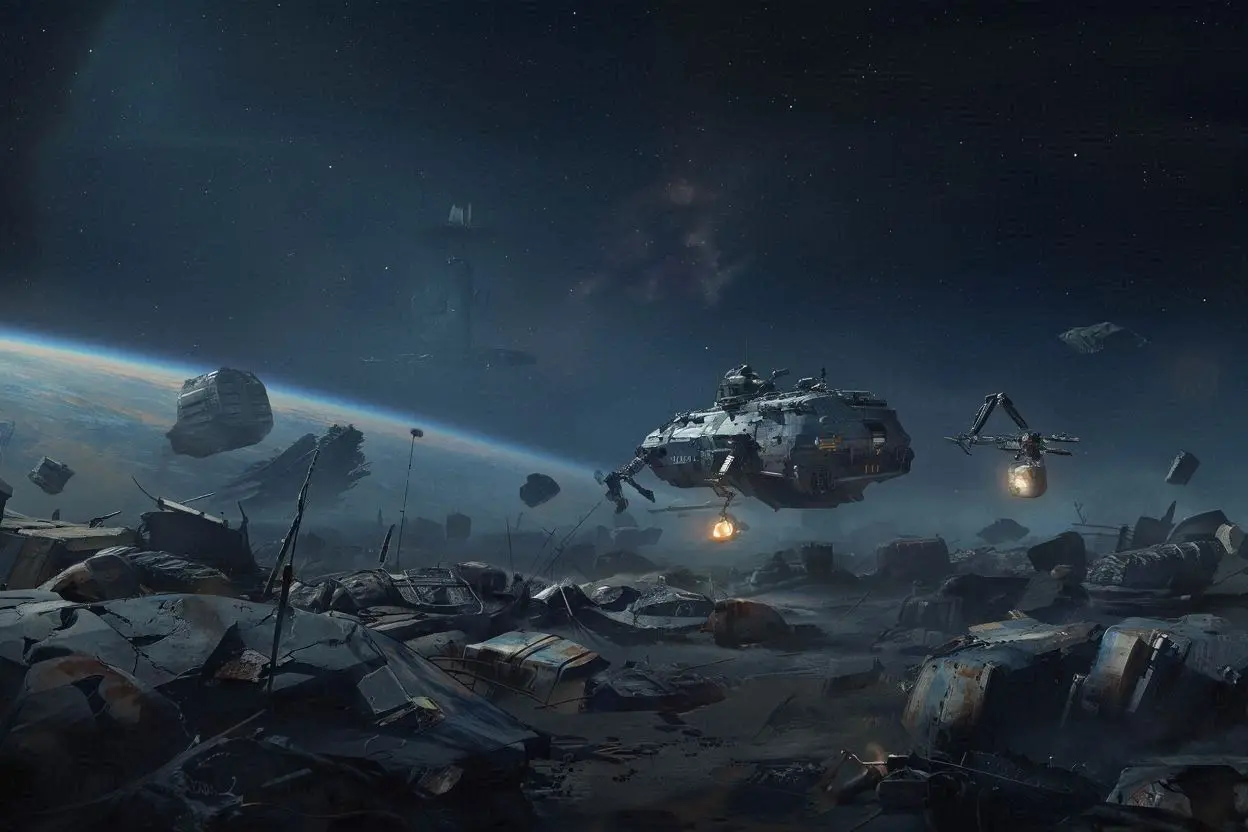
Discarded Machinery
Salvage • Common
Old mechanical devices litter the area. Some parts are useful.
Duration: 30 min | Repeatable: Yes | Slots:
Events represent discrete salvage opportunities generated from environmental conditions, derelict structures, battlefield debris, or NPC‑assigned missions. Each event defines its own parameters rarity, duration, inventory capacity, and risk profile shaping how players interact with the world. A common event like Discarded Machinery offers predictable, low‑risk scrap recovery, while higher‑tier events may involve unstable tech, hazardous environments, or time‑sensitive material degradation. These events form the backbone of the scrap‑acquisition loop, guiding players toward dynamic, system‑driven encounters that reward preparation, crew specialization, and strategic decision‑making.
System Goals
The scrap feature was implemented to address three core needs:
- Item Lifecycle Completion
Items now have a defined end‑of‑life state. Instead of being discarded or left unused, they can be broken down into structured material outputs. - Resource Standardization
Scrap provides a unified material layer that feeds into repairs, upgrades, research, and fabrication. - Exploration Incentivization
Derelicts, battlefields, and abandoned structures now yield consistent, system‑driven rewards through salvage operations.
Scrap Acquisition Pipeline
Scrap can now be generated from three primary sources:
- Environmental Event Salvage Triggered when players interact with:
- Derelict ships
- Destroyed drones
- Abandoned outposts
- Post‑battle debris fields
Each environment type has a predefined scrap table with weighted outputs.
- Item Deconstruction
Any item flagged as deconstructable can be processed in the shipyard or mobile recycler.
Deconstruction yields materials based on:
- Item tier
- Damage state
- Material composition
- Rarity modifiers
- Technology Recovery Captured or looted enemy gear can be broken down into faction‑specific scrap types, enabling unique crafting paths.
Scrap Types and Their Functions
Each scrap type is categorized by its intended use within the crafting and upgrade systems.
| Name | Description | Weight | Volume | Rarity | Tags |
|---|---|---|---|---|---|
| Copper Wire Scrap | Thin strands of copper, handy for electronics. | 0.2 | 0.1 | common | processedMaterialequipment |
| Micro Circuit Scrap | Small electronic component used in low-tech devices. | 0.05 | 0.02 | uncommon | equipment |
| Stripped Battery (Small) | Partially depleted small battery, suitable for compact devices. | 0.5 | 0.25 | common | equipmentfuel |
| Stripped Battery (Medium) | Partially depleted medium battery, can power standard devices. | 1 | 0.5 | common | equipmentfuel |
| Stripped Battery (Large) | Partially depleted large battery, intended for heavy equipment. | 2 | 1 | uncommon | equipmentfuel |
| Old Chemical Battery | An outdated chemical cell battery prone to leakage but still salvageable for parts or low-grade power. | 1.5 | 0.7 | uncommon | equipmentfuel |
| Coolant Canister (Small) | Compact canister of cooling liquid for small machinery. | 0.5 | 0.5 | common | coolant |
| Coolant Canister (Medium) | Standard canister of cooling liquid, useful for most machinery. | 1 | 1 | common | coolant |
| Coolant Canister (Large) | Large canister of cooling liquid designed for heavy equipment. | 2 | 2 | uncommon | coolant |
| Scrap Fuel Cell (Small) | Damaged micro fuel cell with minimal charge remaining, useful for salvage or emergency power. | 0.3 | 0.25 | common | fuel |
| Scrap Fuel Cell (Medium) | Worn standard fuel cell with unstable output, often recovered from derelict machinery. | 0.7 | 0.6 | common | fuel |
| Scrap Fuel Cell (Large) | Heavy degraded fuel cell stripped from industrial equipment, holds residual charge. | 1.6 | 1.3 | uncommon | fuel |
| Rusted Cog | Old mechanical cog, can be refurbished or sold. | 0.5 | 0.3 | common | rawMaterialsalvage |
| Broken Sensor | Malfunctioning sensor, might be repairable. | 0.3 | 0.2 | common | equipmentsalvage |
| Alien Scrap | Mysterious scrap of unknown origin, may have minor uses. | 1 | 0.5 | uncommon | rawMaterialexoticsalvage |
| Cracked Plasma Cell | Damaged plasma cell, unstable but could power small tools. | 1.2 | 0.8 | uncommon | fuelexotic |
| Micro Alloy | Small chunks of a lightweight, durable metal alloy. | 0.8 | 0.3 | common | processedMaterial |
| Salvaged Circuit | Recovered circuit from old electronics, can be reused. | 0.1 | 0.05 | common | equipmentsalvage |
| Derelict Scrap | Scrap collected from abandoned small ships. | 2 | 1 | common | rawMaterialsalvage |
| Small Tool Kit | Basic tools salvaged from ship maintenance lockers. | 2 | 1 | common | equipmentsalvage |
| Scrap Plastic | Pieces of hardened plastic from ship interiors. | 0.5 | 0.3 | common | rawMaterialsalvage |
| Minor Med Kit | Salvaged medical supplies, provides minor healing. | 1 | 0.5 | common | consumable |
| Tiny Fuel Rod | Small fuel rod, can power minor systems or tools. | 0.5 | 0.5 | common | fuel |
| Broken Display | Fragmented screen salvaged from old ship panels. | 0.5 | 0.3 | common | equipmentsalvage |
| Minor Alloy Fragment | Tiny pieces of alloy, could be melted into small components. | 0.5 | 0.2 | common | rawMaterial |
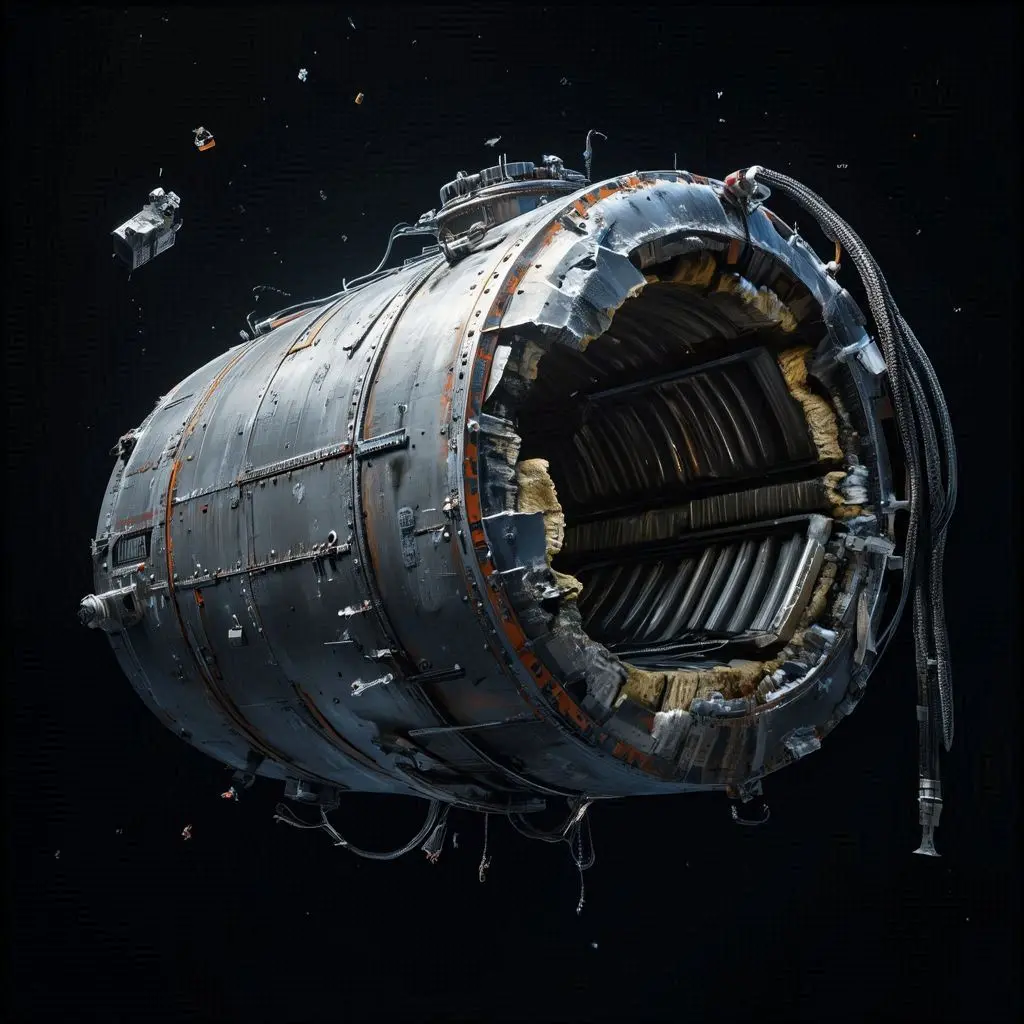
Scrap Fuel Cell (Large)
Fuel • Uncommon
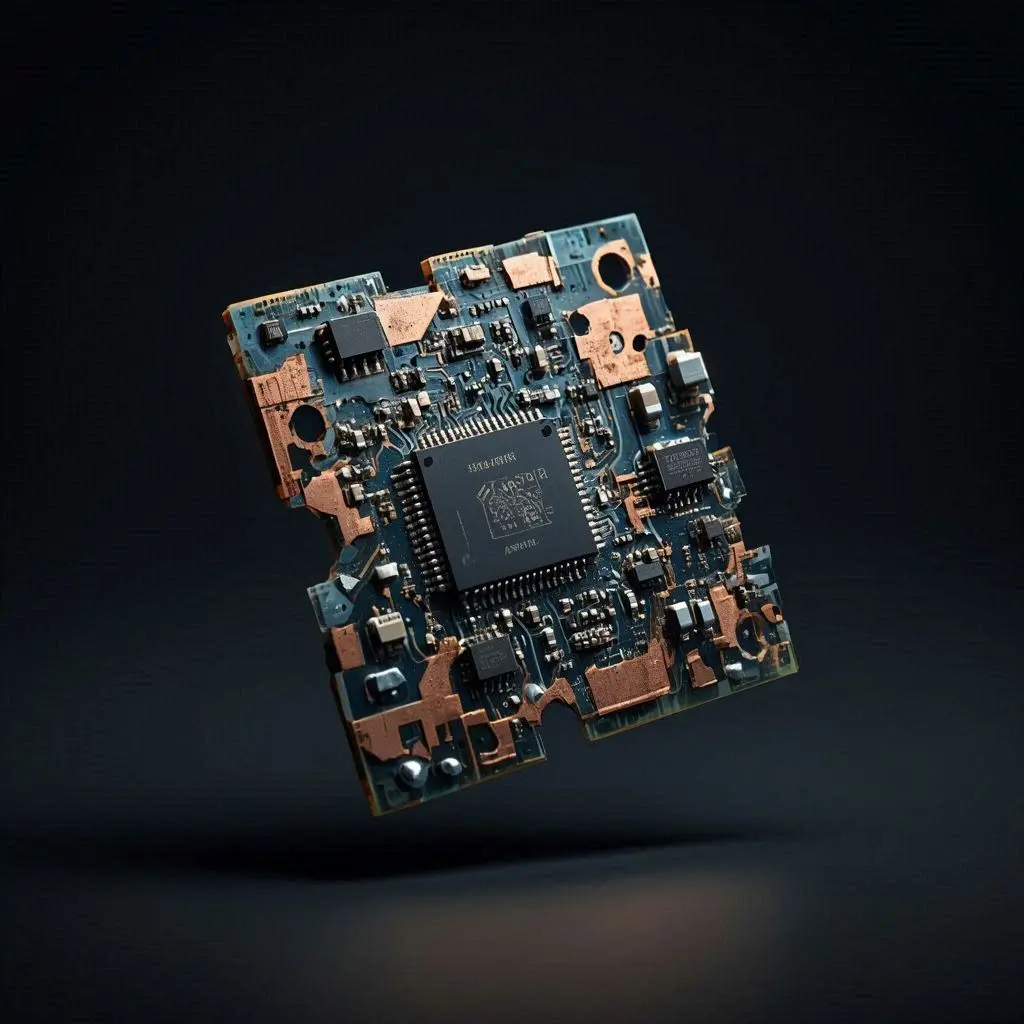
Micro Circuit Scrap
Equipment • Uncommon
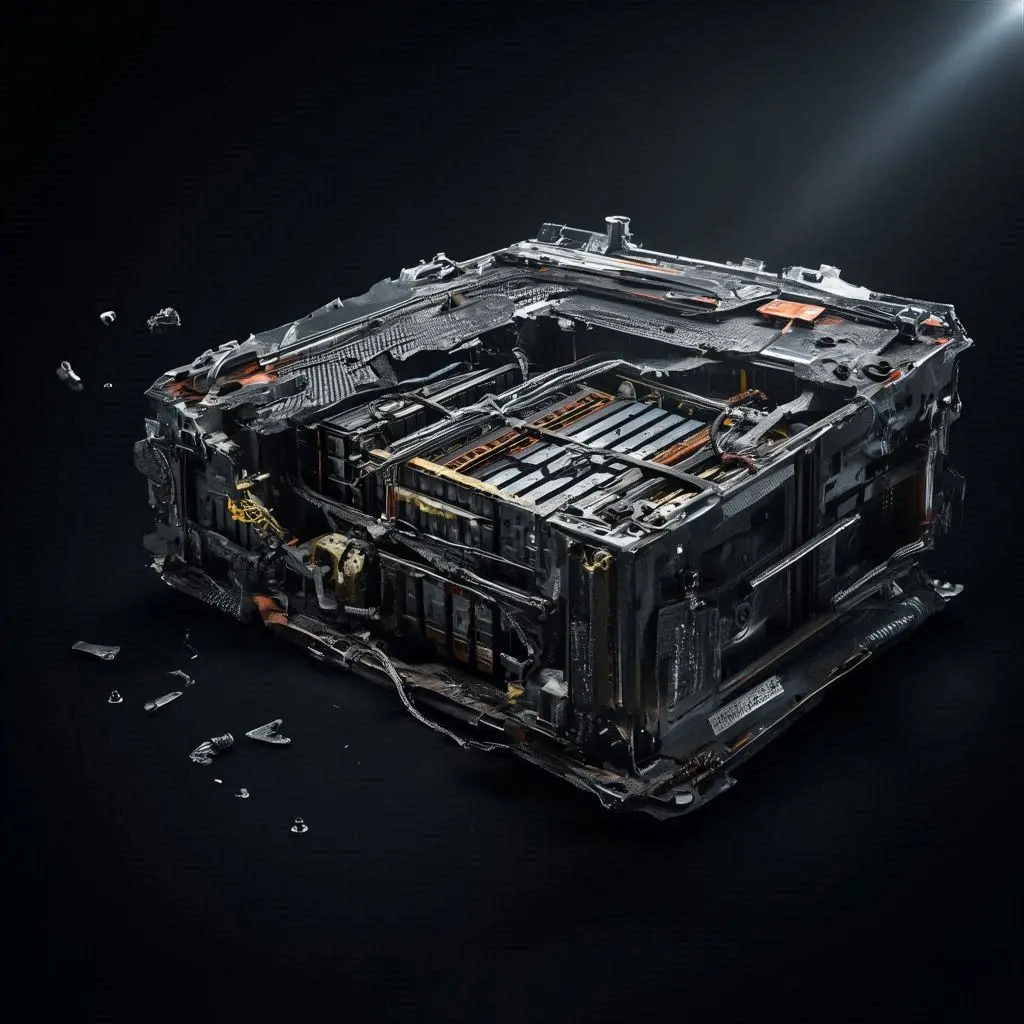
Stripped Battery (Medium)
Equipment / Fuel • Common
Item Variance and Deep Processing Systems
Most games treat identical items as simple stackable entries, but GENETICA’s item framework is built for far deeper simulation. Every item carries hidden parameters that track internal wear, subsystem integrity, micro‑component stability, and latent functionality. Two items with the same name may break down into completely different materials depending on their history, condition, and embedded tech signatures. This allows the scrap system to evaluate each object individually, enabling richer outcomes such as partial component recovery, rare‑material extraction, or the discovery of still‑functional parts. Items aren’t just inventory objects they’re complex, data‑driven entities with unique salvage potential.
- Granular Item Simulation
Models each item as a unique object with its own internal state rather than a generic template. - Micro‑State Item Modeling
Tracks tiny variations like heat stress, micro‑fractures, or partial charge that influence salvage results. - Deep Material Profiling
Evaluates the composition of an item at a detailed level, determining what materials can be extracted and in what condition. - Component‑Level Deconstruction
Breaks items down into individual parts rather than generic scrap, allowing recovery of specific modules or circuits. - Dynamic Item Integrity System
Measures how stable or damaged an item is, affecting yield, risk, and the chance of recovering rare components. - Subsystem‑Driven Item Behavior
Allows internal subsystems power cells, data cores, actuators to influence how an item behaves when processed. - Variable Yield Architecture
Ensures that salvage output is not fixed; it adapts based on item condition, rarity, and hidden parameters. - Adaptive Salvage Logic
Adjusts processing outcomes dynamically, reacting to operator skill, module tier, and environmental modifiers.
Deployable Processing Modules
Deployable processing units can now be installed on stations or ships to expand item‑handling capabilities. Each deployable requires assigned operators, and its performance scales based on operator skills, module tier, and environmental conditions.
Recycling Module (Deployable)
This deployable provides localized material‑processing functionality and supports the following operations:
- Item deconstruction
- Scrap refinement
- Yield optimization
- Rare‑component extraction
Operator Requirements
The Recycling Module requires at least one Engineering operator to function.
Additional operators with the following skills improve module performance:
- Salvage Ops increases total scrap yield
- Material Science improves rare‑component extraction rates
- Cybernetics stabilizes volatile or high‑risk components during processing
Operator skill levels directly influence:
- Output quantity
- Rare‑scrap probability
- Processing speed
- Safety thresholds for unstable materials
Deployment Variants
Recycling Modules can be deployed in:
- Shipboard Utility Bays
- Lower throughput
- Mobile deployment
- Reduced power draw
- Station‑side Processing Rigs
- Higher throughput
- Increased yield
- Supports advanced scrap types
Module tier determines:
- Maximum processing capacity
- Supported scrap categories
- Heat and power requirements
- Failure‑state mitigation thresholds
This deployable system allows players to configure their ship or station with specialized processing capabilities, provided they have the crew to operate them efficiently.
Salvage Event Integration
Salvage missions now generate dynamic events based on:
- Crew skill checks (Engineering, Salvage Ops, Xenobiology)
- Environmental hazards (radiation, pressure loss, structural collapse)
- Time‑based degradation of salvageable materials
- Hostile presence or automated defenses
Failure states include:
- Reduced scrap yield
- Component contamination
- Equipment damage
- Crew injury
Success states include:
- High‑value scrap
- Rare component recovery
- Blueprint fragments
- Research data packets
System Impact and Future Expansion
The Scrap System is now a core part of the item economy.
It directly supports:
- Crafting
- Repairs
- Ship upgrades
- Medical research
- Crew augmentation
- Tech progression
Upcoming expansions will introduce:
- Advanced scrap tiers
- Faction‑specific salvage tables
- Black‑market scrap trading
- Ship module fabrication
- Crew‑crafted items
This update establishes the foundation for a scalable, resource‑driven progression loop across all gameplay systems.